Cannabis Compounds Show Potential to Interfere with Ovarian Cancer Cell Spread in Laboratory Studies
Last updated: 29 Dec 2025
6134 Views
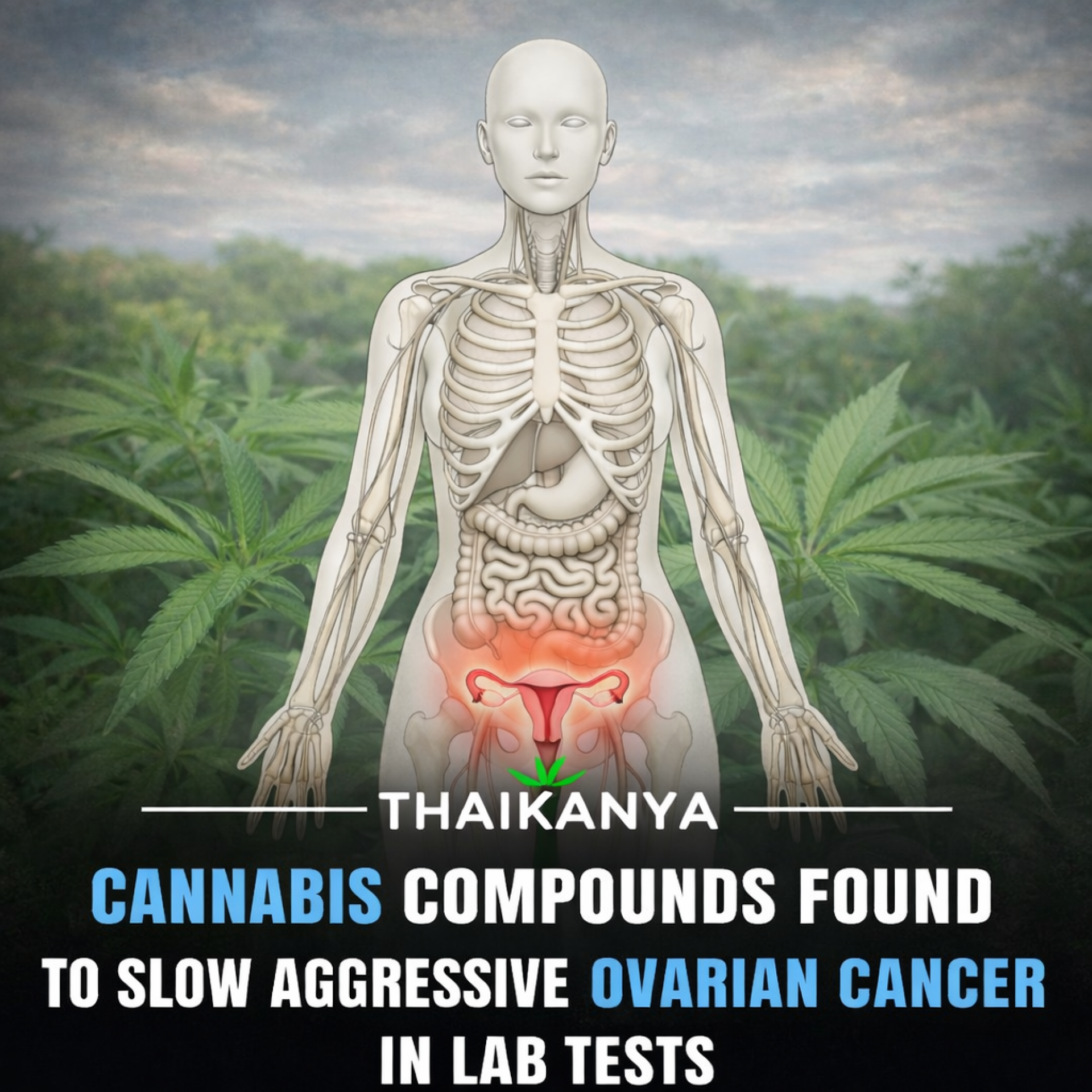
Scientists are continuing to explore how compounds found in cannabis may interact with certain cancer cells, including ovarian cancer, in laboratory research. In recent studies conducted in controlled lab settings, cannabinoids such as CBD and THC were observed to interfere with processes involved in cancer cell movement and spread.
Ovarian cancer is particularly challenging because it often progresses without clear early symptoms. In laboratory experiments, researchers noted that cannabinoids appeared to disrupt cellular signaling pathways linked to migration and invasion—key steps in metastasis. As a result, cancer cells showed reduced ability to organize, move, and establish new growth sites under experimental conditions.
Researchers emphasize that these findings are limited to preclinical studies and have not been confirmed in human trials. Cannabinoids are not a cure for cancer and are not a substitute for established treatments such as surgery, chemotherapy, or targeted therapies.
However, the research contributes to a growing body of evidence examining whether plant-derived compounds could one day play a supportive role alongside conventional treatments. Scientists stress that much more research is needed to understand safety, effectiveness, and appropriate clinical use.
Ovarian cancer is particularly challenging because it often progresses without clear early symptoms. In laboratory experiments, researchers noted that cannabinoids appeared to disrupt cellular signaling pathways linked to migration and invasion—key steps in metastasis. As a result, cancer cells showed reduced ability to organize, move, and establish new growth sites under experimental conditions.
Researchers emphasize that these findings are limited to preclinical studies and have not been confirmed in human trials. Cannabinoids are not a cure for cancer and are not a substitute for established treatments such as surgery, chemotherapy, or targeted therapies.
However, the research contributes to a growing body of evidence examining whether plant-derived compounds could one day play a supportive role alongside conventional treatments. Scientists stress that much more research is needed to understand safety, effectiveness, and appropriate clinical use.
Related Content

"หมอทหาร" ใช้กัญชารักษาผู้ป่วยเอดส์ฟรี...
11 Oct 2024
CBD is widely discussed in wellness and medical cannabis, but popularity is not the same as proof. This guide explains how CBD differs from THC, where evidence is strongest, what remains uncertain, and why professional assessment matters.
14 Sept 2026