CBD Explained: Evidence, Safety and Medical Use
Last updated: 14 Sept 2026
30 Views
CBD and THC are not the same
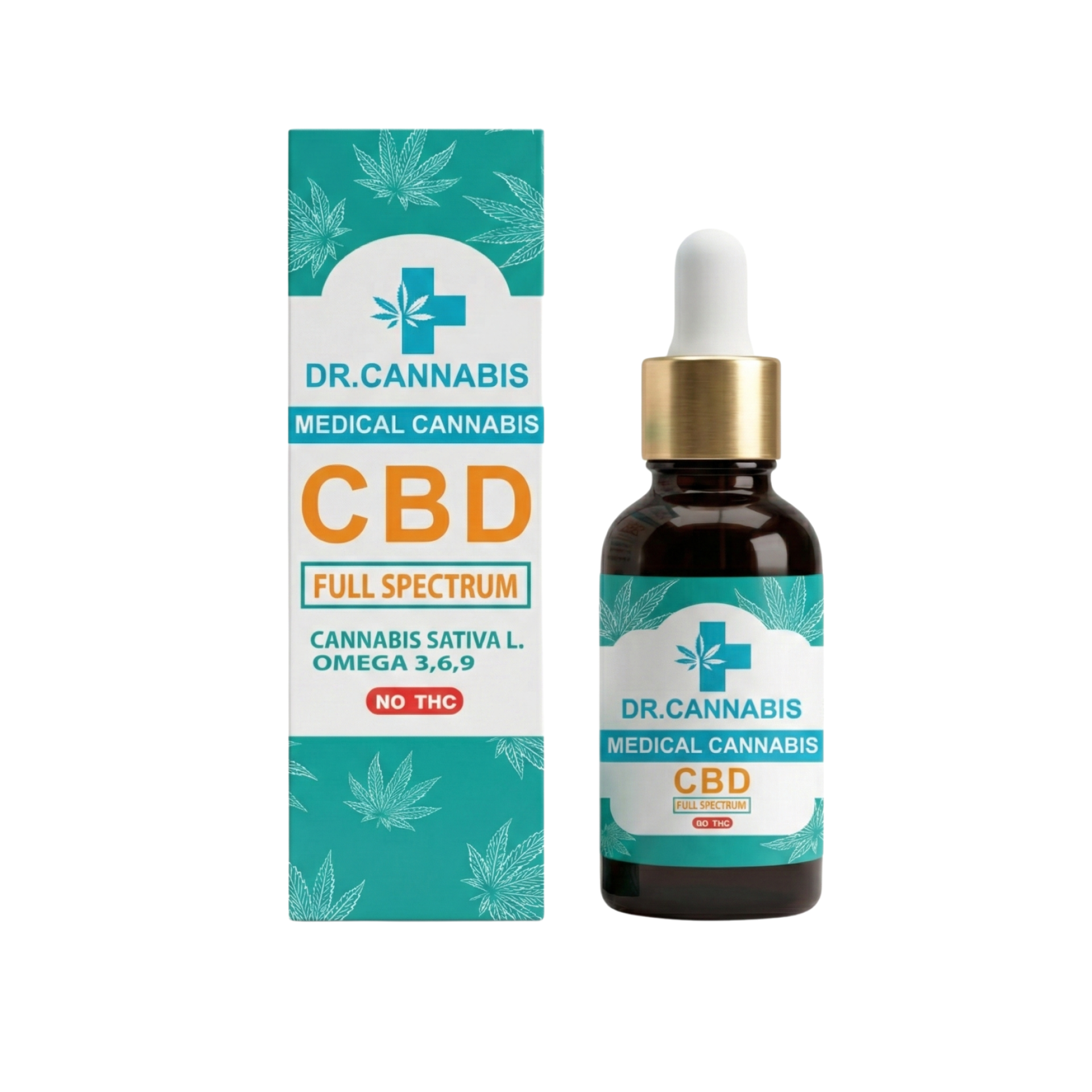
Cannabidiol (CBD) and delta-9-tetrahydrocannabinol (THC) are cannabinoids found in Cannabis. THC can produce intoxication because it acts strongly at CB1 receptors in the central nervous system. CBD does not usually produce the characteristic “high,” but it is biologically active and should not be treated as risk-free.
What does the evidence support?
The clearest established use of purified prescription CBD is for seizures associated with specific rare epilepsy syndromes. Research is also exploring cannabinoids for pain, anxiety, sleep and symptoms in palliative care, but products, doses and study populations vary. Results from one condition or formulation cannot automatically be applied to another.
CBD should not be described as a proven cure for cancer, chronic pain, anxiety or insomnia. In supportive and palliative care, a clinician may consider cannabinoid-based treatment for selected symptoms, but it does not replace disease-directed treatment.
Safety and medicine interactions
Possible adverse effects include sleepiness, diarrhoea, reduced appetite and changes in liver tests. CBD can alter the way some medicines are processed and may increase sedation when combined with alcohol or medicines that slow the nervous system. Product labels may not always match actual cannabinoid content, and contamination is another concern.
People who are pregnant or breastfeeding, children, people with liver disease, and anyone taking regular medication should seek professional advice before use. Do not drive or operate machinery if a product causes drowsiness or impaired attention.
A safer decision starts with the right questions
Before considering a CBD product, ask:
- What symptom or goal are we addressing?
- Is there good evidence for this specific product and condition?
- Could it interact with current medicines?
- Is the source licensed and independently tested?
- How will benefits and adverse effects be monitored?
At THAIKANYA, medical cannabis begins with individual assessment, realistic expectations and follow-up. Educational information cannot replace diagnosis or treatment by a qualified clinician
Cannabidiol (CBD) and delta-9-tetrahydrocannabinol (THC) are cannabinoids found in Cannabis. THC can produce intoxication because it acts strongly at CB1 receptors in the central nervous system. CBD does not usually produce the characteristic “high,” but it is biologically active and should not be treated as risk-free.
What does the evidence support?
The clearest established use of purified prescription CBD is for seizures associated with specific rare epilepsy syndromes. Research is also exploring cannabinoids for pain, anxiety, sleep and symptoms in palliative care, but products, doses and study populations vary. Results from one condition or formulation cannot automatically be applied to another.
CBD should not be described as a proven cure for cancer, chronic pain, anxiety or insomnia. In supportive and palliative care, a clinician may consider cannabinoid-based treatment for selected symptoms, but it does not replace disease-directed treatment.
Safety and medicine interactions
Possible adverse effects include sleepiness, diarrhoea, reduced appetite and changes in liver tests. CBD can alter the way some medicines are processed and may increase sedation when combined with alcohol or medicines that slow the nervous system. Product labels may not always match actual cannabinoid content, and contamination is another concern.
People who are pregnant or breastfeeding, children, people with liver disease, and anyone taking regular medication should seek professional advice before use. Do not drive or operate machinery if a product causes drowsiness or impaired attention.
A safer decision starts with the right questions
Before considering a CBD product, ask:
- What symptom or goal are we addressing?
- Is there good evidence for this specific product and condition?
- Could it interact with current medicines?
- Is the source licensed and independently tested?
- How will benefits and adverse effects be monitored?
At THAIKANYA, medical cannabis begins with individual assessment, realistic expectations and follow-up. Educational information cannot replace diagnosis or treatment by a qualified clinician
Related Content